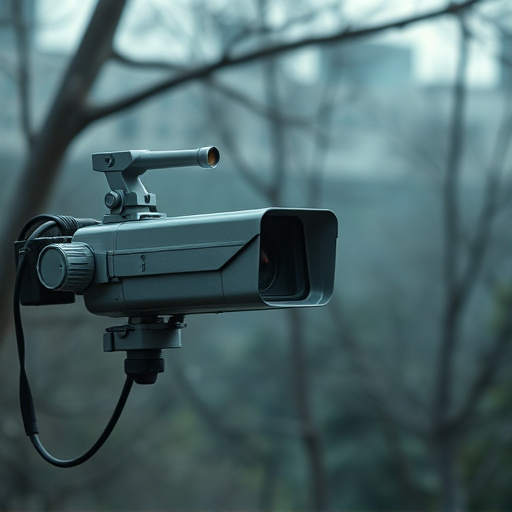
Optical sensor detection technology revolutionizes discreet surveillance, especially in finding hidden cameras in bathrooms through light pattern analysis. Privacy and security experts employ advanced methods like infrared thermography, focused light beams, and thermal imaging to uncover covert recording devices disguised as everyday objects. These techniques, combining thermal variations, high-zoom scanning, and IR illumination, enable thorough inspections, safeguarding individuals from hidden surveillance in public spaces, particularly bathrooms.
Uncovering hidden cameras has become a critical concern in today’s digital age, especially in private spaces like bathrooms. This article delves into the professional methods behind optical sensor detection sweeps, offering a comprehensive guide for security professionals. We explore the understanding and applications of optical sensors, providing practical insights on how to effectively find hidden cameras in bathrooms using advanced techniques that ensure thorough coverage during sweeps.
- Understanding Optical Sensor Detection and Its Applications
- Professional Methods for Uncovering Hidden Cameras in Bathrooms
- Advanced Techniques to Ensure Comprehensive Coverage During Sweeps
Understanding Optical Sensor Detection and Its Applications
Optical sensor detection is a cutting-edge technology that has revolutionized various industries, especially in scenarios requiring discreet surveillance and security. This method utilizes specialized sensors to detect and identify visual information, offering a non-intrusive way to gather intelligence or evidence. One of its most intriguing applications is in the discovery of hidden cameras, such as those found in sensitive areas like bathrooms. With the ability to scan and analyze light patterns, these sensors can pinpoint hidden recording devices, ensuring privacy and security for individuals in public spaces.
By employing advanced optical sensor detection, professionals can effectively navigate challenging environments, including complex labyrinths of spaces, to find hidden cameras that might be capturing intimate moments without consent. This technology is a game-changer in maintaining privacy, especially in today’s digital era where surveillance equipment can be easily concealed and operated remotely.
Professional Methods for Uncovering Hidden Cameras in Bathrooms
Uncovering hidden cameras in bathrooms has become a critical concern for privacy and security professionals. To effectively find hidden cameras, experts employ sophisticated optical sensor detection techniques. These methods include infrared thermography, which can reveal unusual temperature patterns indicative of camera activity. By scanning surfaces with focused light beams or specialized thermal imaging cameras, professionals can identify miniature devices often disguised as everyday objects.
Furthermore, advanced optical sensors can detect subtle variations in lighting and reflectivity, allowing for the detection of tiny, hard-to-spot cameras. This involves analyzing visual data with high precision to uncover any digital signal emissions from covert recording devices. These professional methods ensure thorough inspections, leaving no stone unturned in the quest to find hidden cameras in bathrooms and protect individuals’ privacy.
Advanced Techniques to Ensure Comprehensive Coverage During Sweeps
In the realm of optical sensor detection sweeps, advanced techniques are essential to ensure comprehensive coverage, especially when aiming to find hidden cameras in bathrooms—a subtle yet pervasive concern in today’s privacy-focused world. Professionals employ sophisticated methods that go beyond basic visual inspections. These include utilizing specialized thermal imaging cameras that can detect variations in temperature, potentially revealing the heat signature of covert recording devices. Additionally, long-range optical sensors with high zoom capabilities allow for detailed scanning of hard-to-reach areas without causing disruption.
Another innovative approach involves the use of infrared (IR) illumination to enhance the visibility of small, concealed lenses. IR light can penetrate through surfaces and reveal hidden components that might otherwise remain undetected. By combining these techniques, experts are able to navigate labyrinthine spaces, such as bathroom walls and ceilings, to ensure no camera goes unnoticed. This comprehensive sweep method is a game-changer in maintaining privacy and security.
Optical sensor detection has evolved as a crucial method for finding hidden cameras, especially in sensitive areas like bathrooms. By combining advanced techniques and professional sweeps, it’s now possible to ensure comprehensive coverage, enhancing privacy and security. These methods, detailed in this article, offer a robust approach to identifying covert recording devices, making spaces safer and more secure for everyone. When conducting thorough searches, professionals utilize cutting-edge technology and meticulous strategies to detect even the most discreetly placed cameras, thereby addressing a pressing concern in today’s digital age.